
01
Less wasted energy
Surplus daytime power is exported instead of lost.
04 · Grid
Send your surplus solar power to the grid.
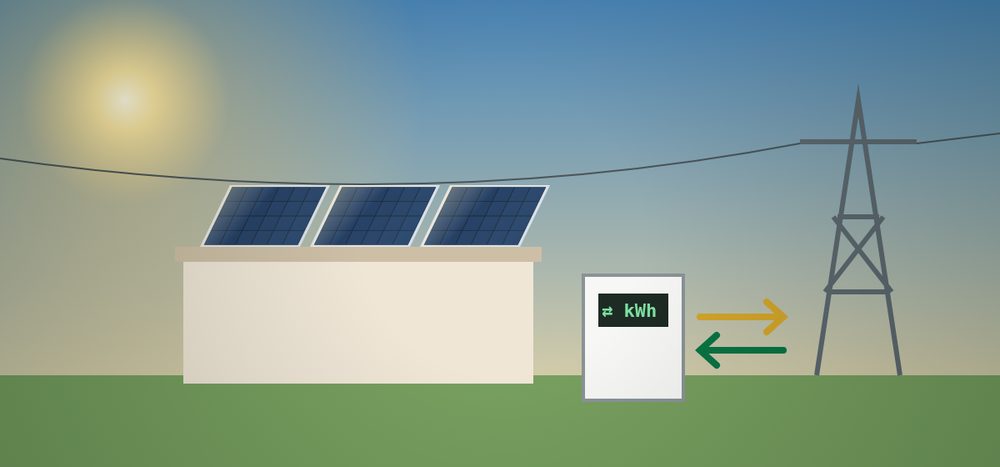
With net metering, a grid-connected solar system can export electricity you do not use to the grid and receive credit for it, under the rules of your distribution company. We help you understand whether it suits your site and what the process involves.
04
For
Grid-connected homes and businesses
System type
On-grid solar with a bidirectional meter
What we do
Suitability advice, application guidance, compatible setup
The problem
Solar output peaks around midday, but many homes and businesses use more power in the evening or on different schedules. Without net metering, surplus daytime power can go to waste.
Net metering lets that surplus flow to the grid, with credits recorded on a meter that measures both directions. It can help you make fuller use of your roof without paying for batteries.
At a glance
Exact sizes, components and timelines are confirmed in your written proposal after we see your site.
Best for
Grid-connected sites where solar output often exceeds use
Meter
Bidirectional (net) meter, as required by your utility
Rules
Set by government guidelines and your distribution company
Paperwork
Application to your distribution company
Batteries
Not required for net metering
Timeline
Depends on your distribution company's process
Why it's worth it
01
Surplus daytime power is exported instead of lost.
02
Exported units are credited according to your utility's rules.
03
Use the grid as your partner instead of paying for storage.
04
We explain the process and the documents you will need.
How it works
1
We look at your connection type and the current rules that apply to you.
2
A compatible system design, with guidance on the application.
3
Your distribution company inspects the installation as required.
4
Once approved, the net meter is installed and the system goes live.
It depends on your connection type and the current rules of your distribution company. We help you check.
According to the rules of your distribution company. Always confirm the latest policy with them.
It varies by distribution company and area. We explain the process as it applies to you.
Usually yes, but it is based on the difference between what you import and export.