
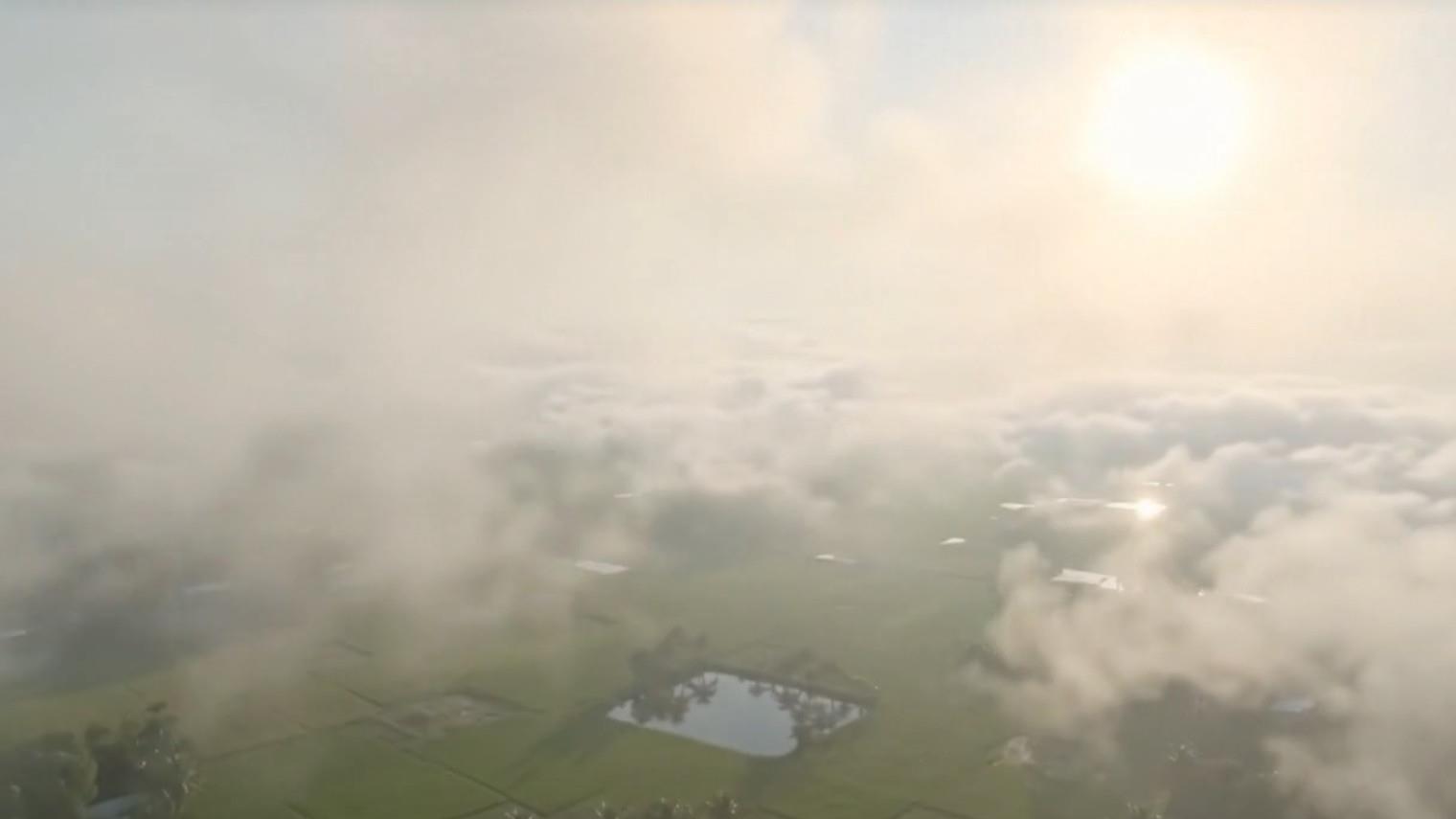
Many people worry that solar will stop working in the rainy season. It does not stop, but it does produce less on heavily clouded days. Knowing what to expect helps you plan.
Less sunlight, less output
Solar panels produce electricity from daylight, not heat. On overcast days they still generate power, but noticeably less than on clear days. Output can also change quickly as clouds pass.
Rain has a benefit
Rain washes dust off the panels. After a dry, dusty spell, a good shower can actually help the panels perform better on the next sunny day.
Plan your usage
- Run heavy appliances during the brightest part of the day when you can
- If you have batteries, keep essential loads prioritised on cloudy days
- Expect monthly generation to vary between seasons
Check your system after storms
Strong wind and heavy rain can loosen cables or mounting. After a storm, look for anything out of place and call a professional if you notice damage, water near electrical parts, or a sudden drop in output. Do not touch damaged wiring yourself.
A system that is sized with seasonal changes in mind will serve you better all year. We take this into account when we recommend a system.