
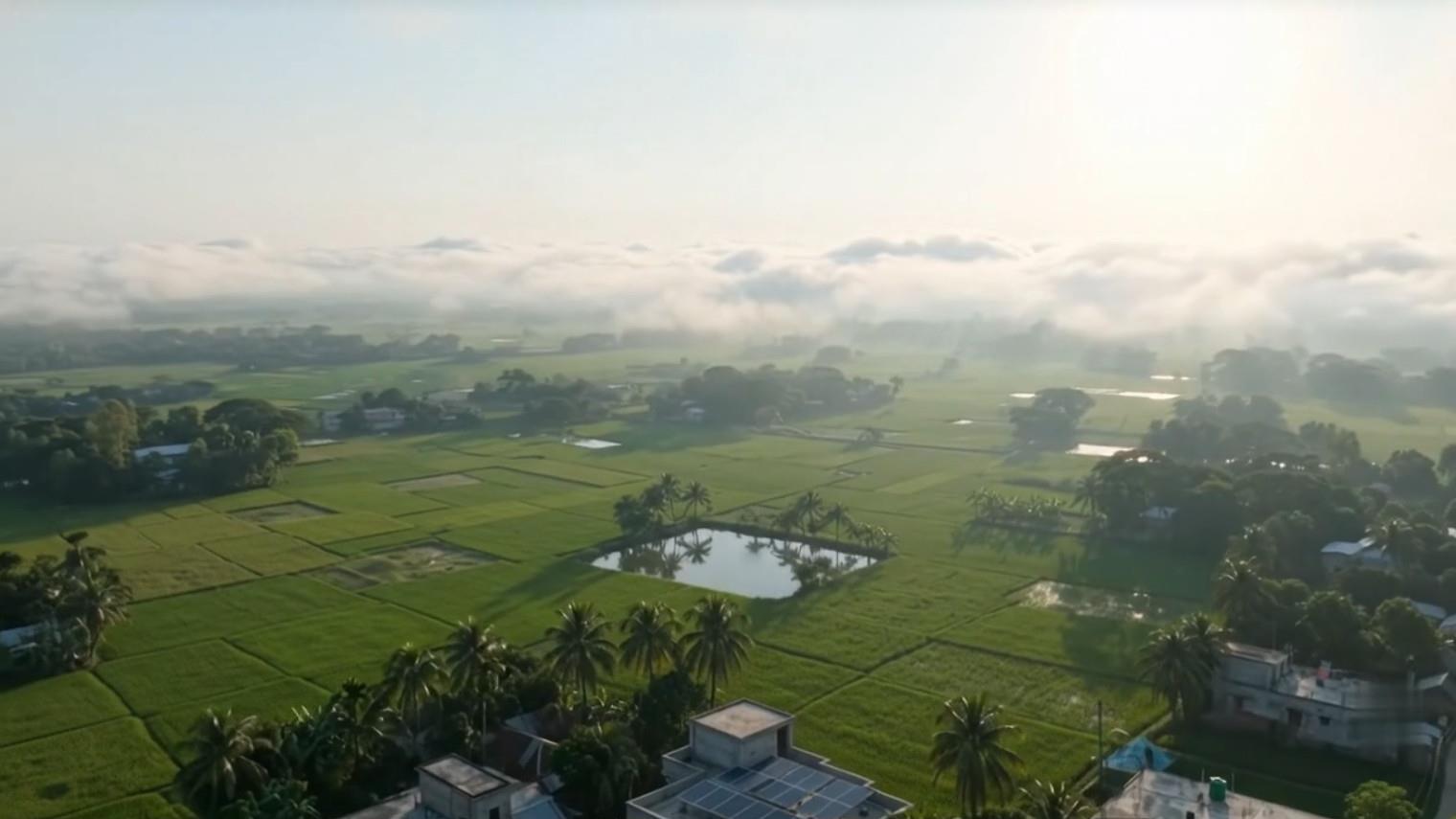
Irrigation is one of the biggest running costs for many farmers. Solar-powered pumps use energy from the sun to lift water, which can reduce reliance on fuel or grid electricity.
How it works
Solar panels power a pump, usually through a controller. The pump runs during daylight, which is often when irrigation is needed most. Some systems store water in a tank so it can be used later.
Questions to answer first
- Water source: is it a deep tube well, shallow well, pond or canal? The depth matters a lot.
- Water needed: how much land do you irrigate, which crops, and in which seasons?
- Pump type and size: surface or submersible, and the right capacity for your depth and flow.
- Space for panels: a sunny, secure spot near the water source.
- Security: how will the panels be protected from theft or damage?
Benefits
- Lower running costs once installed
- Less dependence on fuel supply and price changes
- Quiet operation with low maintenance
Things to keep in mind
Output is highest on sunny days and lower when it is cloudy, so the system should be sized for your real irrigation needs. Panels also need regular cleaning, especially in dusty fields.
We advise on solar irrigation based on your land size and water source. Share these details with us to get started.